


.png?width=50&height=50&name=feedbackfive-menu-icon(orange).png "feedbackfive-menu-icon(orange)")

Originally published on August 4, 2026, updated August 4, 2026
Menu
Join Our Email List
- Receive our monthly newsletter.
- Stay up to date on Amazon policies.
- Get tips to grow your business.
/%5BeComEngine%5DLogo-2019-linear.svg "eComEngine Logo")
 |
Review Monitoring Quickly identify review trends |
|
Review Monitoring Quickly identify review trends |

Last month you did the hard part. You dumped every SKU into four buckets: Scale, Fix, Watch, and Stop Restocking. You stopped pretending the dog with the fleas was secretly a show pony. You felt very organized. You may have even celebrated with a snack.
Here is the uncomfortable truth. An audit that never becomes a purchase order is just a very tidy list of things you already suspected. The buckets do not protect your margin. The decisions do.
So this is part two. We are taking July's four buckets and converting them into an actual Q4 restock plan, one line item at a time. The rule that governs the whole thing is simple: cash flows to Scale and Fix first, and everything else earns its spot only after your winners are fully funded.
There is also a clock on this. More on that in a minute, because it changes the math more than any spreadsheet will.
Quick recap of the four buckets, because the whole plan hangs on them.
Scale is your proven profit. Healthy margin after all-in fees, steady velocity, and you have no good reason not to sell more of it. These SKUs are the reason the business exists.
Fix is profit trapped behind one solvable problem. Good demand, but a fee, a dimension, a buy box gap, or a bloated cost of goods is bleeding the margin. The unit sells. The economics just need surgery.
Watch is the maybe pile. Thin margin, choppy velocity, or not enough clean data to trust yet. Not dead, not proven. On probation.
Stop Restocking is the polite name for "this SKU has been quietly financing your competitor's Q4." Negative or near-zero contribution margin after storage and fees. It is done.
If you skipped July, go build the buckets first. Trying to write a Q4 restock plan without them is like ordering ingredients before you know what you are cooking. You can read the four-bucket breakdown in What to Scale, Fix, or Stop Restocking Before Q4.
Here is the clock. Amazon's standard storage rates roughly triple once Q4 peak-season pricing kicks in on October 1. That is not a typo and it is not a rounding error. The same cubic foot that costs you a little in August costs you roughly three times as much in the fourth quarter.
Translation: August is the last low-cost window to commit your Q4 cash. Every unit you send now sits cheap through the run-up. Every unit you hesitate on gets more expensive to store the moment the calendar flips.
This is why the "Stop Restocking" bucket matters so much right now. Dead inventory is not just tying up cash. Starting October 1, it is tying up cash at triple the rent. The audit told you which SKUs to cut. The storage cliff tells you exactly how much that decision is worth.
So the Q4 restock plan is not a leisurely fall project. It is an August decision with a hard deadline attached.
Now the fun part. Four buckets, four funding rules. Follow them in order.
Your Scale SKUs get first claim on every dollar. Not the leftover dollars. The first ones.
The logic is boring and correct. These are your highest-confidence returns during the highest-demand quarter of the year. Underordering a proven winner in Q4 is the most expensive mistake on this list, because you cannot buy back a stockout. When you run dry in mid-November, you do not just lose the sale. You lose rank, you lose review velocity, and you hand a shopper straight to a competitor who was happy to take them.
For each Scale SKU, project Q4 demand off last year's peak plus your current trend, add a sensible buffer for the demand spike, and order to cover through the season with a little runway into January. Aggressive here is the safe play.
Fix SKUs are where the real margin upside hides, and also where sellers fool themselves. The bucket is called Fix for a reason. Ordering a full Q4 load of a Fix SKU before you have solved the leak is not investing. It is scaling a problem and hoping volume hides it.
So the rule has a gate. Fund the Fix SKU only if the fix is done or clearly in motion before the units land. Renegotiated the cost of goods? Corrected the dimensions that triggered the oversize fee? Closed the buy box gap? Great, now it behaves like a Scale SKU and deserves real cash.
If the fix is still theoretical, treat the SKU like a Watch until it is solved. Order thin, prove the new economics, then scale. Hope is not a margin strategy.
Watch SKUs get whatever is left after Scale and Fix are fully funded. Emphasis on left.
The mistake here is emotional. You want the maybe pile to work, so you talk yourself into a big order and call it optimism. In Q4, with storage rents tripling, optimism is expensive. A Watch SKU that flops in November is dead inventory paying peak rent through December.
Order enough to keep the listing alive and gather cleaner data, and no more. If a Watch SKU starts behaving like a winner mid-quarter, you can react. Reacting to upside is a good problem. Eating storage fees on a hunch that did not pan out is not.
This one is easy to say and hard to do, because it means admitting a past order was a mistake. Do it anyway.
Stop Restocking SKUs get exactly zero Q4 dollars. Not a "small reorder just in case." Zero. Every dollar you would have spent restocking a loser is a dollar your Scale SKUs are begging for.
Then go further. Whatever Stop Restocking units are already sitting in the warehouse, get them moving before October 1. Mark them down, bundle them, run them off, or remove them. Anything is better than paying triple storage to warehouse a SKU you already agreed is dead. The audit ended these SKUs. The PO is where you stop feeding them.
If you remember nothing else, remember the order of operations for your Q4 restock plan:
Fully fund every Scale SKU. First dollars in.
Fund Fix SKUs that are actually fixed. Gate the rest.
Fund Watch SKUs only with what remains, and lightly.
Fund Stop Restocking SKUs with nothing, and clear the existing units
before October 1.
Cash is finite. Q4 demand is not patient. The sequence is how you make sure your best SKUs never run dry while your worst ones never get another dollar.
Doing this by hand across a few hundred SKUs is how good plans die in a spreadsheet. This is the job RestockPro was built for.
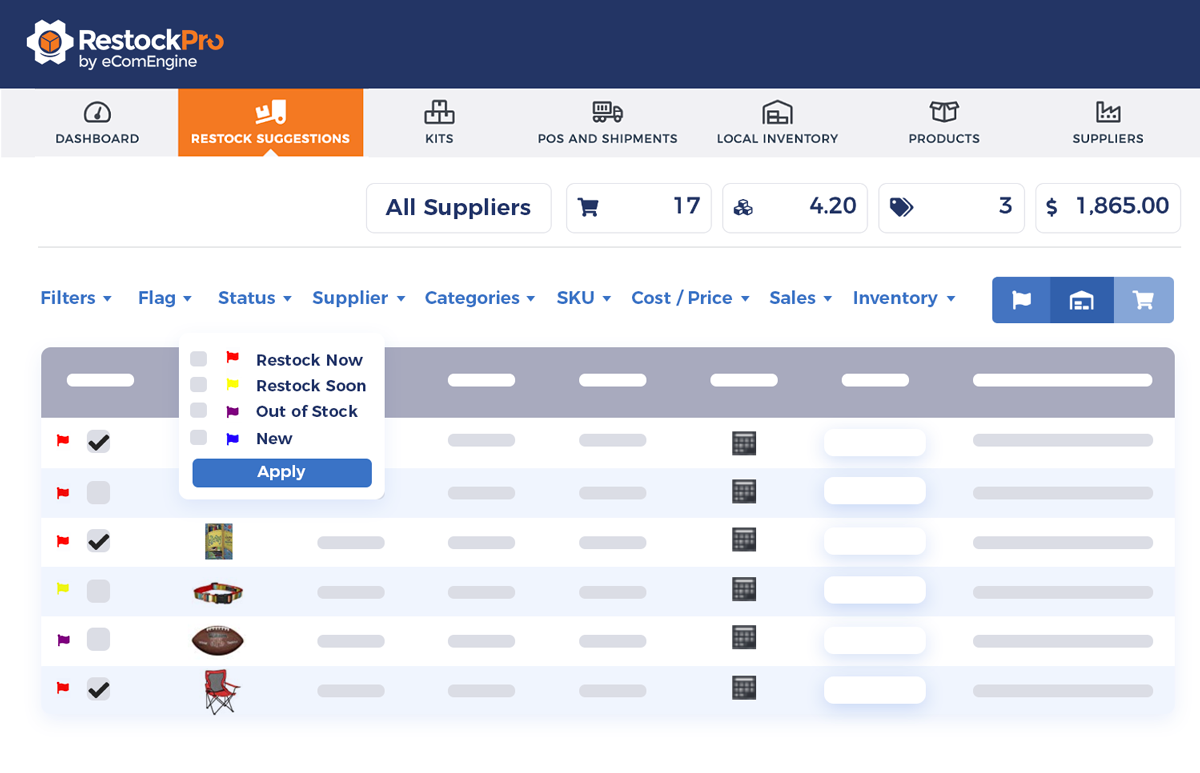
RestockPro pulls your sales velocity, lead times, and current stock into restock suggestions, so the "how many units through Q4" question stops being a guess. You can flag your Scale winners, set reorder logic that respects your cash sequence, and build purchase orders straight from the recommendations instead of rebuilding them by hand every week. It keeps your Stop Restocking SKUs off the reorder list so a dead SKU never sneaks back into a PO out of habit.
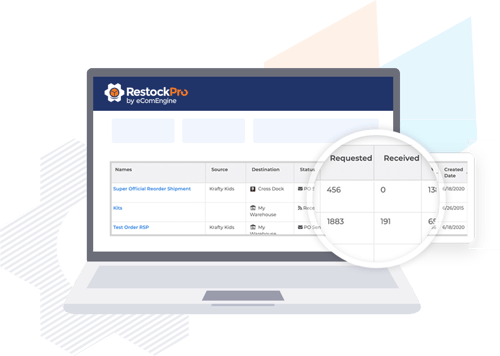
Put simply: your audit decided the strategy. RestockPro turns it into the actual POs before the storage clock runs out.
Build Your Q4 Restock PlanQ: How do I turn my SKU audit into a Q4 restock plan?
Take your four audit buckets and assign cash in order. Fully fund Scale SKUs first, then Fix SKUs that are truly fixed, then Watch SKUs lightly, and give Stop Restocking SKUs nothing. Build purchase orders from that sequence so your proven winners never run dry during peak demand.
Q: Which SKUs should I fund first in my Q4 purchase order?
Fund Scale SKUs first, without debate. They are your proven, healthy-margin products, and stockouts during Q4 cost you sales, rank, and reviews you cannot easily win back. Underordering a winner in the busiest quarter is the most expensive inventory mistake, so those units get your first dollars, not your leftover ones.
Q: When do Amazon Q4 storage fees increase?
Amazon's standard storage rates roughly triple starting October 1, when peak-season pricing takes effect for the fourth quarter. That makes August the last low-cost window to commit your Q4 inventory cash. Units you send before the increase sit cheaply through the run-up, while inventory you delay gets far more expensive to store.
Q: Should I restock Fix SKUs for Q4?
Only after the fix is done. A Fix SKU has good demand but one solvable margin leak, like a fee, a dimension, or a high cost of goods. Solve it before the units land and fund it like a winner. If the fix is still theoretical, order thin, confirm the new economics, then scale.
Q: What should I do with Stop Restocking SKUs before Q4?
Give them zero restock dollars and clear the existing units before October 1. Stop Restocking SKUs have negative or near-zero contribution margin, so restocking one just funds a loser. Mark down, bundle, sell off, or remove the leftover stock so you are not paying tripled peak storage on inventory you already decided is dead.
Q: How much inventory should I send to Amazon for Q4?
Enough to cover projected Q4 demand plus a buffer for the seasonal spike, with a little runway into January, sized per SKU. Base it on last year's peak and your current trend rather than a flat percentage. RestockPro turns your velocity, lead times, and stock levels into per-SKU restock quantities so the number is calculated, not guessed.
Q: Why is August the best time to commit Q4 inventory cash?
Because storage rents roughly triple on October 1. August is the final low-cost window to send inventory before peak-season fees hit, so every unit committed now sits cheap through the Q4 run-up. Waiting means paying far more to store the same goods, which quietly erodes the margin on your best-selling SKUs.
Your audit already made the hard calls. Do not let them expire in a spreadsheet.
August is the last cheap window to commit your Q4 cash, and October 1 is not moving. Fund your winners, gate your fixes, starve your losers, and get the POs out the door before storage rents triple.
Build Your Q4 Restock Plan With RestockPro





No Comments Yet
Let us know what you think